
Bottle handle load trials: what should buyers specify for a filled pack?
A handle that fits is not, by itself, evidence that a filled bottle is suitable for carrying. Define the mass, attachment, conditions and acceptance criteria together.
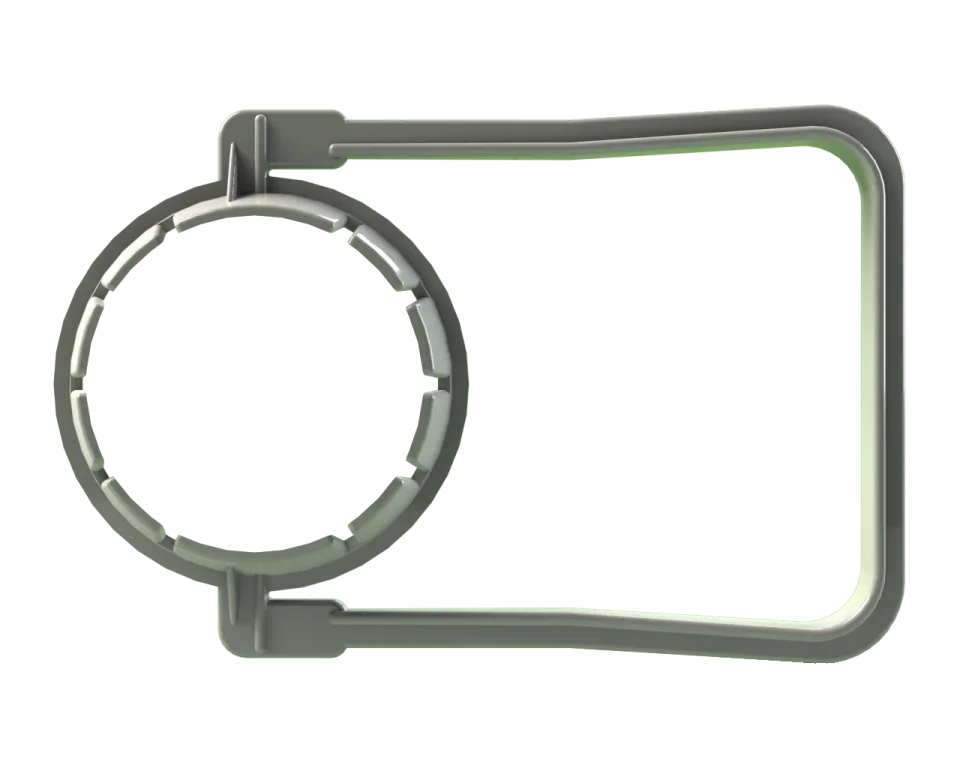
Identify the complete pack first
The purchasing question should go beyond ‘How many kilograms can this handle carry?’ Identify the handle code and sample batch, the drawing and revision of the bottle attachment area, the closure combination and intended use. A shared nominal diameter does not establish identical attachment geometry. This is a buyer’s preparation checklist, not a test standard or a Peksan load approval.
Record actual gross mass, not just litres
Record the measured gross mass of the filled pack, fill quantity and contents. Do not convert a volume in litres directly into a kilogram rating; the bottle, closure and other components also contribute to gross mass. State whether the sample is empty or filled and how the handle was fitted. Peksan’s current 055.137HSP10N record specifies 55 mm, HDPE, water applications and 24 hours at ambient conditions before use. Follow that product-specific instruction without deriving a universal carrying capacity from it.
Agree conditions and stopping criteria before the trial
Agree the sample count, preparation and environmental conditions, grip, loading direction, duration and any repetitions with the responsible technical team. A single lift and repeated carrying are different assessments. Define stopping and acceptance criteria for observations such as detachment, cracking, permanent deformation or damage at the bottle attachment. This article supplies no force, duration or cycle setting; competent personnel should conduct the trial in a controlled area.
Separate carrying assessment from distribution testing
ASTM D4169 addresses distribution performance; D5276 addresses free-fall testing of loaded packages. Neither is a kilogram rating for this handle or a Peksan certificate. Clarify with the laboratory whether the question concerns carrying, drop impact or the shipping system, and select the appropriate scope. A favourable result in one assessment does not complete the others.
Send a record the supplier can assess
Include product and bottle revisions, batch, gross mass, preparation, method and deviations, observations for each sample, photographs and the decision owner. Do not mark untested conditions as passed. Reassess the coverage of earlier results when bottle geometry, handle or use changes. Use the product page below for the current technical sheet and quotation route; provide the actual pack and your unresolved assessment question with the sample enquiry.