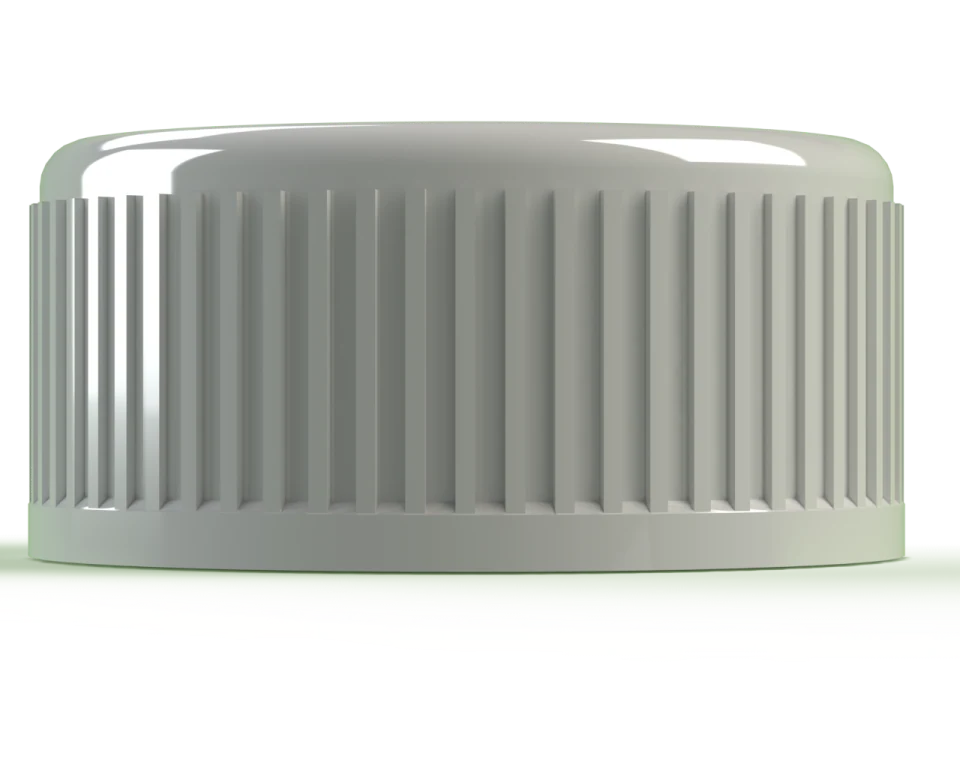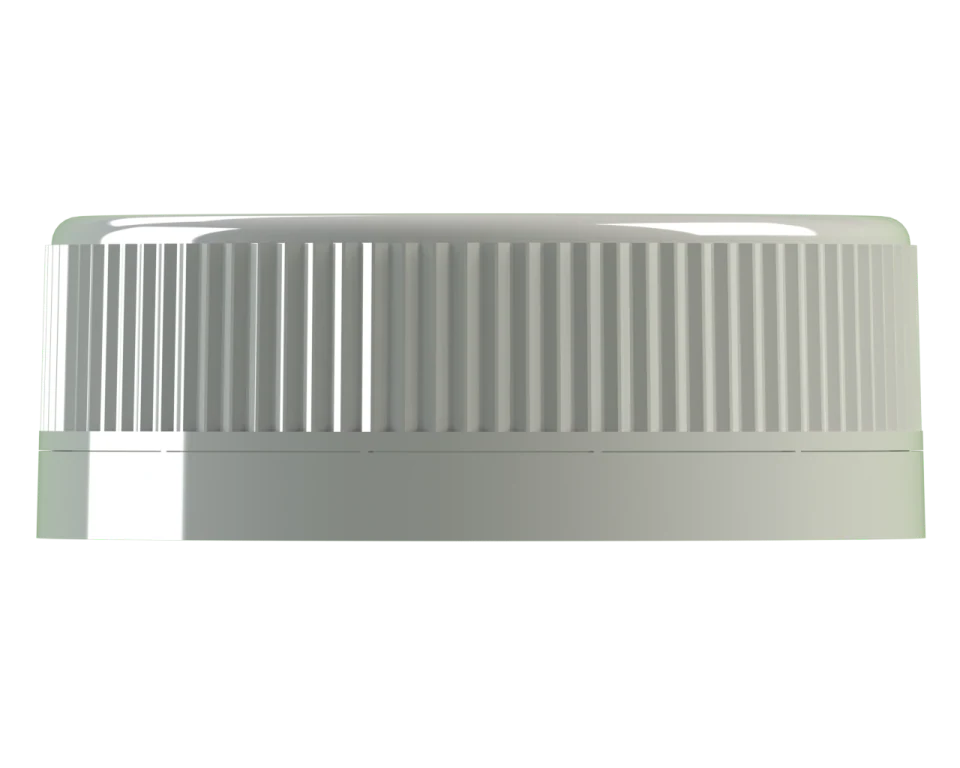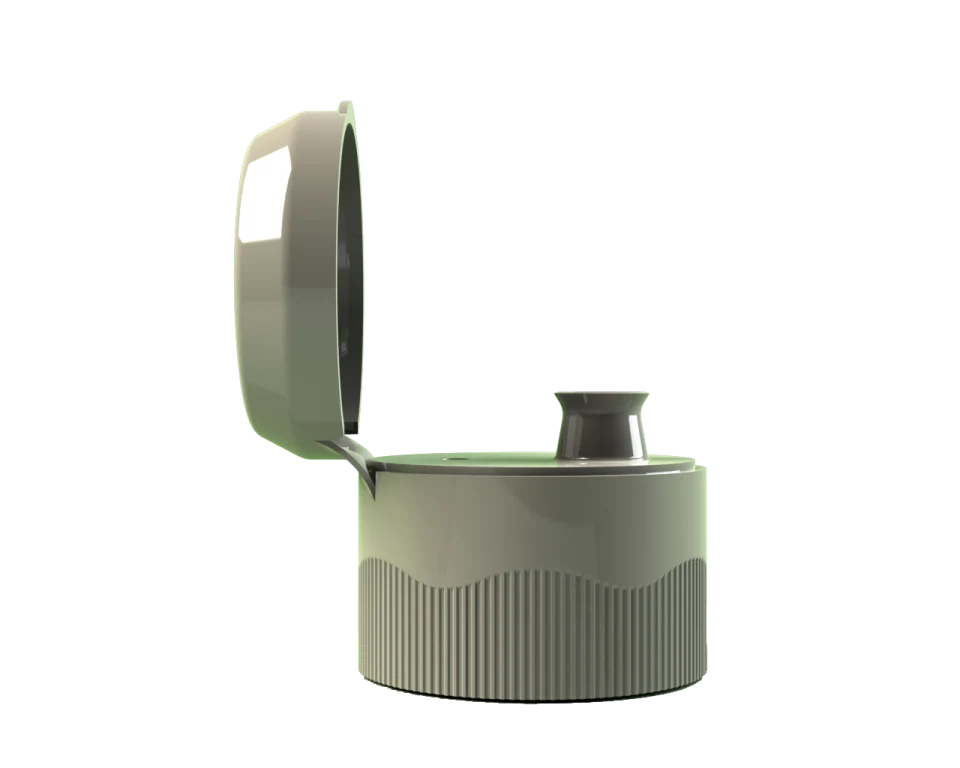
Leakage around a closure: investigating the root cause with the right samples
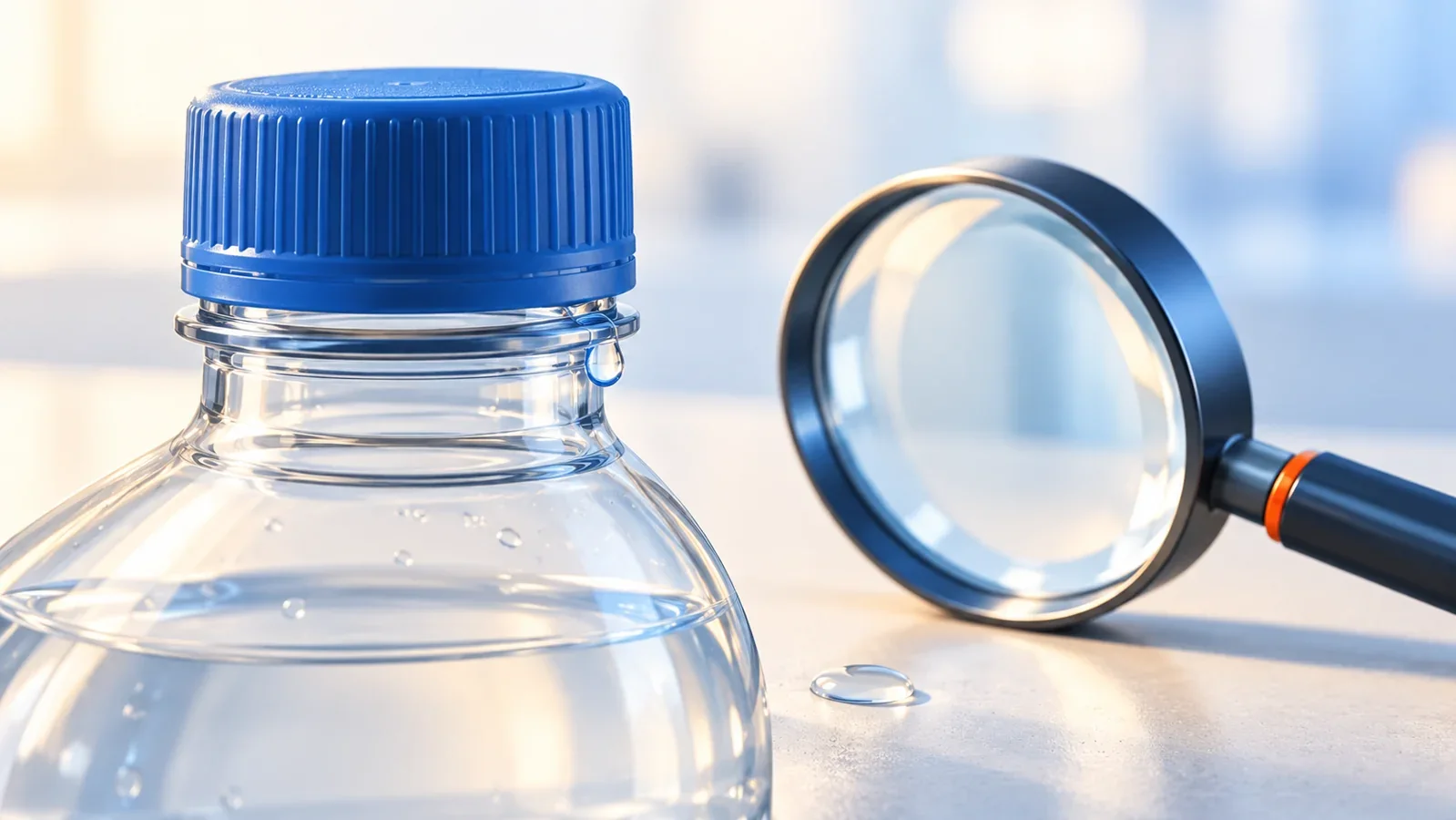
What should you record before opening a leaking package, which components should stay together, and which question should guide the test method?
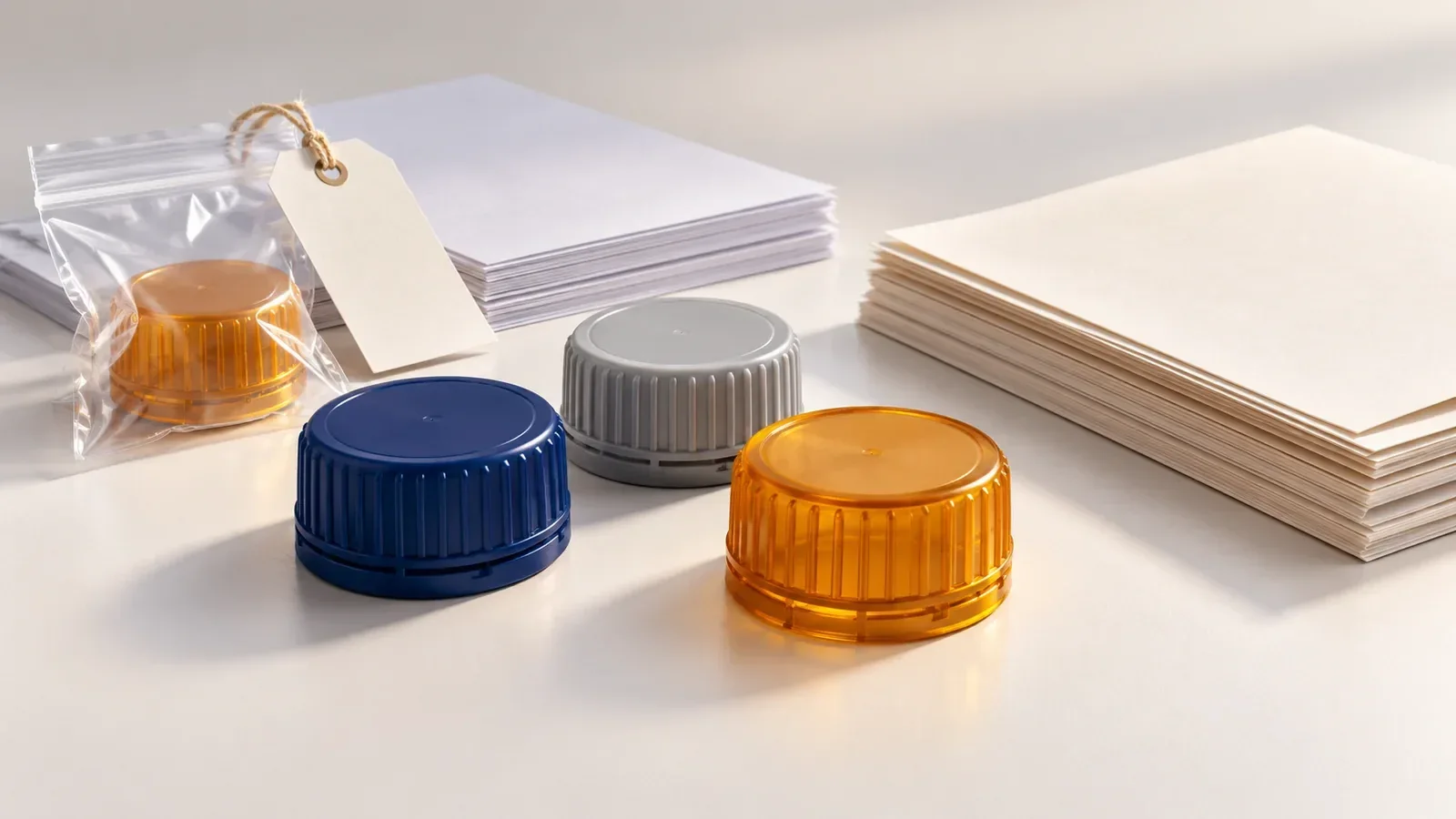
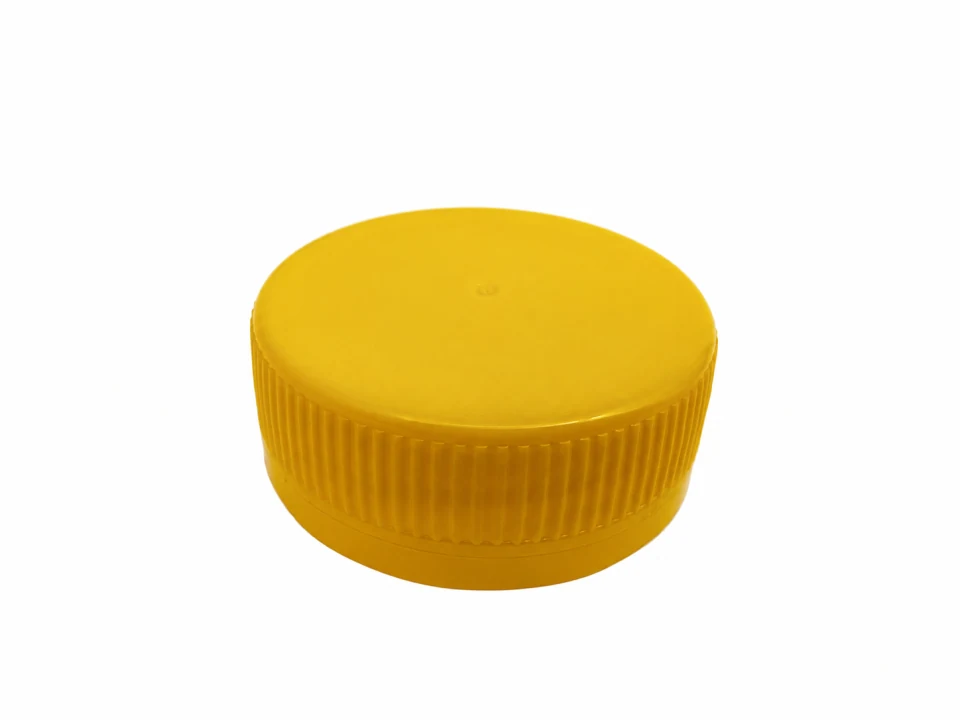
What should you record before opening a leaking package, which components should stay together, and which question should guide the test method?
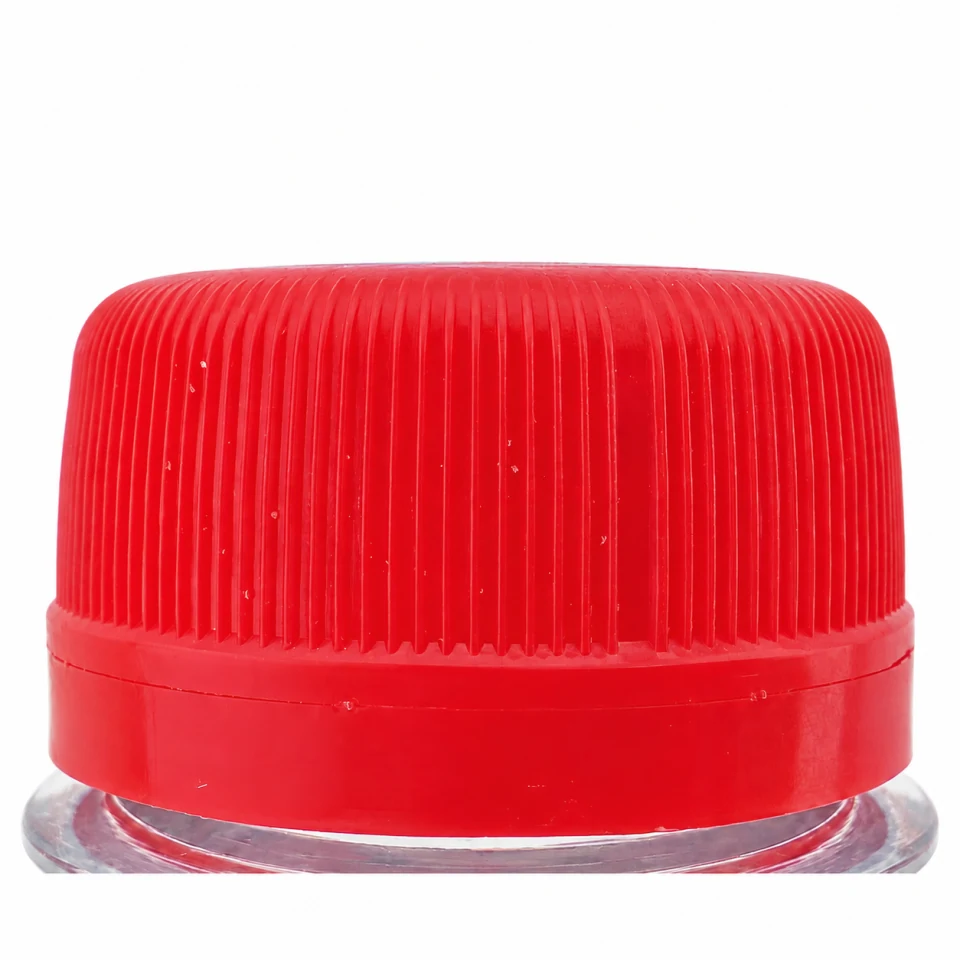
When taking a successful cap sample into a production order, link the product code, bottle drawing, test conditions and acceptance decision in one record. Sample approval and acceptance of an incoming production lot are separate decisions.

Do not directly compare the removal torque measured on one closure with the application setting for another. First match the product code and specification revision, then identify which operation was measured, on which package and at what time. The same 38 mm size or the same HDPE material does not define a common torque value.

A cap may be described as intended for a PET bottle while its technical sheet lists HDPE. These details refer to different components: the bottle material and the cap’s raw material. Purchasing decisions should consider the product name, full product code and technical sheet together.

A cap described as 38 mm is not necessarily suitable for every 38 mm bottle. Consider size together with connection type, thread starts, material and sealing option.

Does a PET bottle cap colour indicate water type or quality? Learn how brand design, colour samples and technical compatibility guide cap selection.

Identify the cap type, improve your grip and check the opening direction. Learn what to investigate when glass bottle caps repeatedly become hard to open.

Compare cap manufacturers and packaging distributors, and check neck drawings, sealing requirements, samples and technical sheets before ordering.

Understand PET bottle cap materials, neck compatibility and sealing. Use product codes, technical sheets and sample trials to guide selection.

Compare screw, snap-on, flip-top and dispensing closures. Distinguish bottle attachment, opening action and sealing requirements.

Distinguish closures, carrying handles and protective covers. Review attachment, filled-container loads and sample assessment before selection.

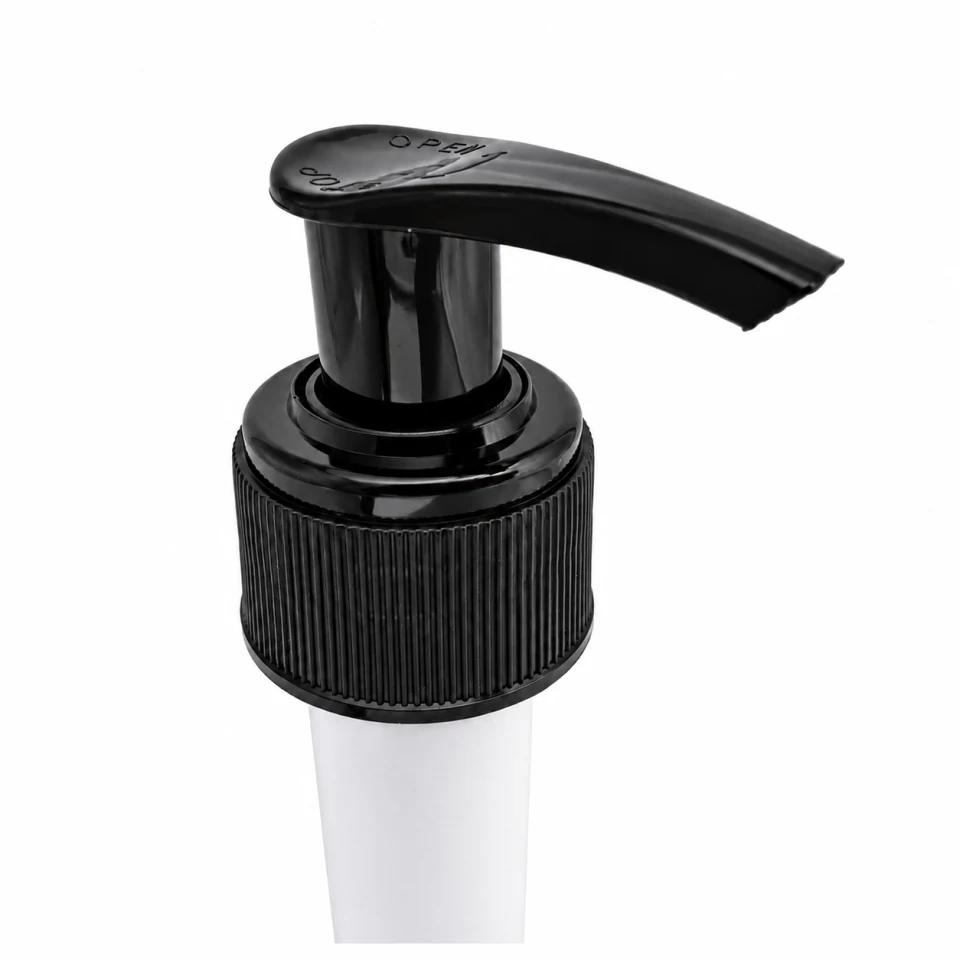
Check bottle neck fit, dip tube length, product consistency and sample performance when choosing a manual soap or lotion pump.

Compare neck geometry, tear-off features and pouring performance for flexible spout caps. Container volume alone does not establish compatibility.

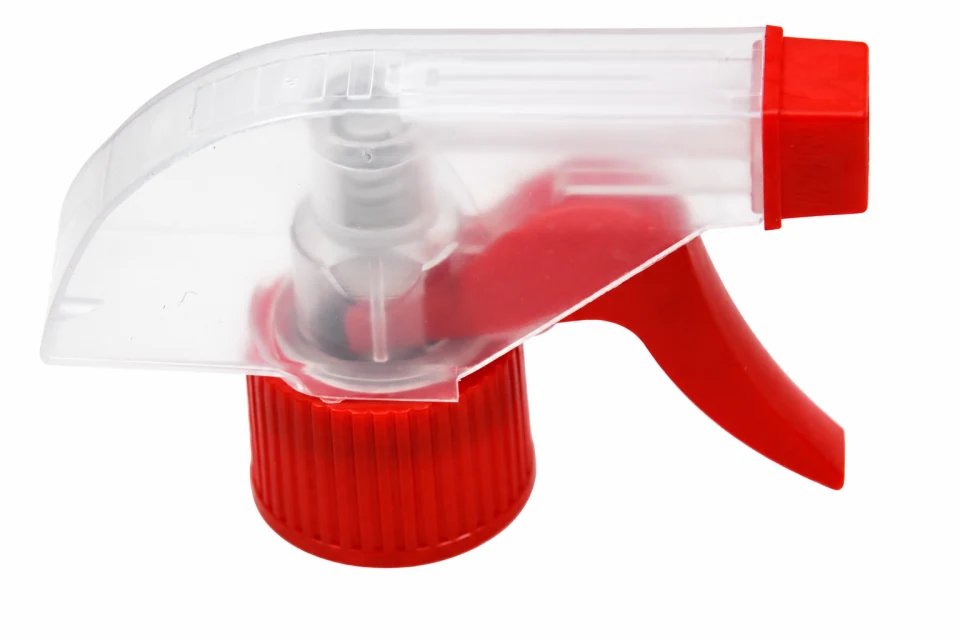
Check bottle fit, dip tube length, spray behaviour and formulation compatibility when selecting a trigger sprayer. Nominal diameter alone is not enough.

Compare screw caps and stoppers for glass bottles, including neck drawings, sealing arrangements and sample evaluation.

Distinguish hinged opening from screw or snap-on attachment, including checks for single-piece 32 mm closures.

Review design inputs, tooling, sampling, processing and inspection for plastic closures, separately from bottle manufacture.

Compare quotations for plastic and glass-bottle closures, considering tooling, order quantities, technical requirements and supply terms.

Distinguish polymer names from suitability evidence. Assess technical sheets, sample performance, quality controls and recycling conditions.

Assess neck geometry, opening systems and real use conditions for drums and PET or PC water containers rather than relying on volume alone.

Compare neck-mounted and side-mounted handles, handled jar closures and carrying checks without inferring load ratings from size.

Distinguish a protective plastic can cover from the primary seal. Do not assume an older 100 mm description matches a current 99 mm product.

Review PET and PE bottle production, neck drawings and closure fit. Prepare technical questions for a bottle manufacturer.

Compare empty bottle quotations by material, neck finish, quantity, closure and delivery scope rather than capacity alone.

Distinguish PET, polyethylene and polystyrene bottle descriptions from colour, capacity and closure compatibility.

Assess opening and dispensing arrangements for shampoo, soap, roll-on and powder packaging together with container compatibility.

Distinguish tear-off features, foil liners, push-and-turn actions and syrup-bottle closures by their actual functions.

Assess bottles, closures and filling conditions for dairy, oil and detergent packaging without assuming suitability from an application name.

Distinguish finger-operated sprays, trigger sprayers and foam requirements. Check bottle, formulation and nozzle compatibility with samples.