
Plastic caps for EU food packaging: which documents should buyers check?
Match the closure code, colour and intended food-contact conditions to the supplier’s documents before approving a purchase. A technical data sheet alone does not settle every application.
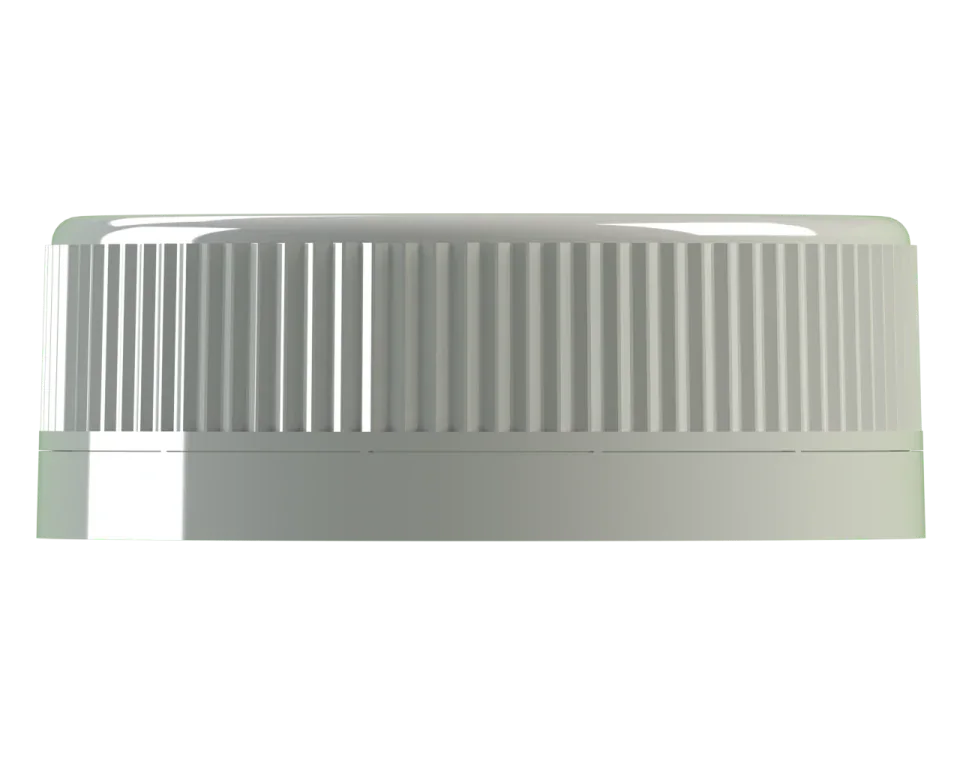
Start with the intended market and use
For a cap intended for food packaging in the EU, ask which compliance documents cover the supplied article and your intended use. The European Commission explains that a declaration of compliance for plastic food-contact materials is based on supporting documentation. The declaration and the technical data sheet serve different purposes; neither a product photograph nor the word ‘HDPE’ answers every compliance question.
This is a purchasing checklist for discussion with the supplier and your responsible food-contact specialist, not a complete legal assessment. Requirements for Türkiye and other destination markets must be checked separately; an EU reference should not be presented as worldwide approval.
Match the document to the exact closure
Record the full product code, colour, material, drawing or specification revision and the supplied batch reference. Check whether the document identifies the finished closure or only a raw material. If a declaration covers a family of products, ask how your particular code and colour fall within that scope; do not infer coverage from a similar photograph or nominal diameter.
For example, Peksan’s 038.015CTP10B specification KK.UB-61, revision 06 dated 23 February 2026, identifies a 38 mm HDPE closure for PET bottles and includes a food-compliance statement. That statement should be read as the manufacturer’s statement in that specification. It is not an independently verified certificate or, by itself, a complete assessment of your filling and storage conditions.
Describe the food and the contact conditions
Send the food type, filling and subsequent treatment temperatures, intended contact and storage duration, package configuration and destination market. Ask the supplier to identify the use restrictions and the conditions covered by the applicable declaration. Where relevant to the assessment, clarify the food-contact surface-area-to-volume basis. A cold-filled drink and a heat-treated product must not be treated as equivalent merely because the bottle neck is the same.
Ask a specific question about the supporting evidence
If the proposed use is not clearly covered, ask what evidence or further assessment is needed for that use. Avoid requesting an unspecified ‘food-grade certificate’ and assuming the reply resolves the issue. The Commission distinguishes the declaration from the supporting documentation available to enforcement authorities; this does not mean every buyer automatically receives the supplier’s entire confidential technical file.
Keep the supplier’s answer and any relevant document reference with the agreed product and use conditions. Do not turn a generic migration-test reference into a claim that this particular colour, finished closure and application were tested. Mechanical fit, sealing and filling-line performance still need their own application assessment.
Make the enquiry and later changes traceable
A useful enquiry contains: 038.015CTP10B or the actual requested code; colour and specification revision; food and process conditions; destination market; the document whose scope needs confirmation; and the unanswered question. Use the product page below for the current technical sheet and quotation route. Agree any additional evidence needed before releasing the purchase for the intended use.
If the colour, formulation, closure design or intended process changes, ask whether the documents and earlier assessment still cover it. Link the reply to the revised specification and supplied batch, using the lot-traceability guide where useful. This article does not issue a Peksan declaration of compliance or establish a new application approval.
Sources and related documents
- Peksan · 038.015CTP10B
- Specification KK.UB-61 Rev06
- European Commission · Food contact materials legislation
- Closure lot traceability