
Closure lot traceability: linking received cap batches to filling runs
Can you show which filling batches used two different cap lots supplied under the same product code? A useful record connects the carton label to line feeding, remaining stock and the finished product.
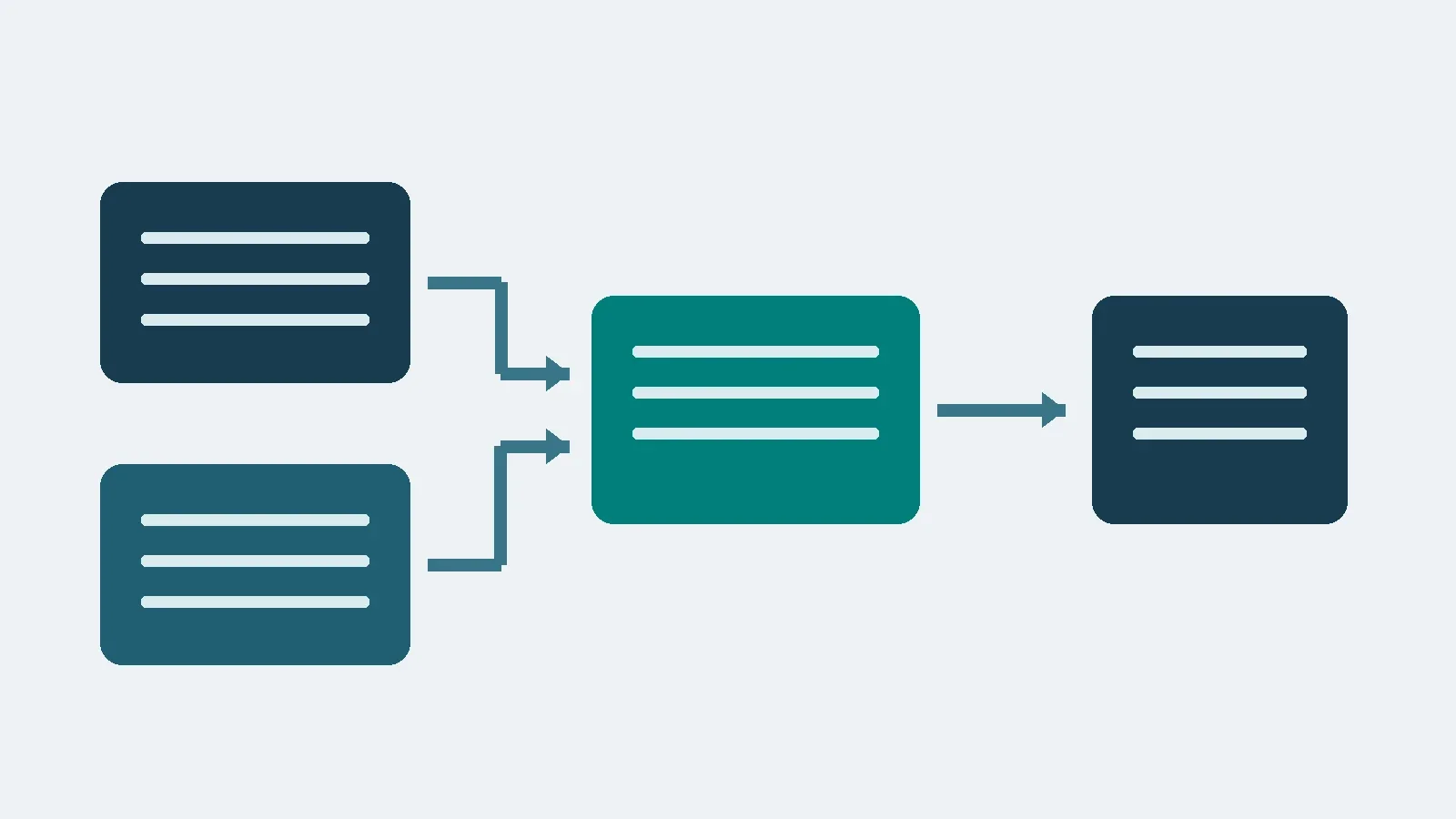
Keep three identifiers separate
The product code identifies the closure ordered; the supplier lot identifies the production group delivered; the filling batch identifies the finished product in which the closure was used. Do not collapse them into one “batch” field. One product code may arrive in several lots, and one cap lot may supply several filling runs.
Start with a simple mapping record: product code and variant, supplier lot, delivery document, internal stock identifier, filling batch and quantity used. These are proposed operating fields, not a description of current Peksan labels or a particular software installation.
Connect receipt to line feeding
At receipt, record the lot information exactly as labelled. If you assign an internal stock number, retain the original supplier lot. Where a label is unreadable or conflicts with the documents, do not guess the link; separate the material under your quality procedure and clarify it with the supplier.
At line feeding, associate the filling batch, line, date and time, lot fed and quantity. A photograph of the carton label can support transcription; on its own, it does not show where the caps were used.
Make uncertainty at lot changes visible
If a new lot is added while caps from the previous lot remain in the hopper, the addition time is not an exact lot boundary. Without a segregation method validated for the line’s material flow, link the products made during the transition to both possible lots. Do not invent a “last cap” time to narrow the uncertain interval.
For example, lot B is added while lot A is still being used and the hopper has not been emptied. Retain the links to A and B, the transition start and the reason the boundary is uncertain in the filling record. This example is not a production instruction or a universal time limit.
Record leftovers, returns and differences
Caps returned to storage from an opened carton should retain their lot identity. Do not relabel combined or unidentified material as a single known lot. The quality procedure should address usability, while the traceability record shows the quantity movement.
Reconcile the line-side opening balance plus quantities fed to the line, less quantities used and quantities segregated or removed, with the remaining stock records. Investigate differences between counts and calculations; do not change the lot allocation merely to make totals agree.
Test the record in both directions
Select a supplier cap lot and locate its remaining stock, the filling batches it supplied and the associated finished-product records. Then select a finished-product batch and trace back to the cap lots used. This desk exercise is neither a recall decision nor a product-safety assessment.
For a missing link, conflicting quantity or unavailable label, record an owner and a corrective action. Set retention periods and recording detail for your product, customer conditions and applicable obligations. In a quotation or sample request, share the expected lot-identification and document-matching format alongside the product code.
Sources
- GS1 Global Traceability Compliance Criteria (Release 4.1)
- European Commission — Food Contact Materials legislation