
48 mm PET bottle handles: preparing an automatic fitting trial
Bring the bottle drawing, physical samples and fitting conditions into one technical enquiry before evaluating the 048.101HSP10N handle on an automated line.
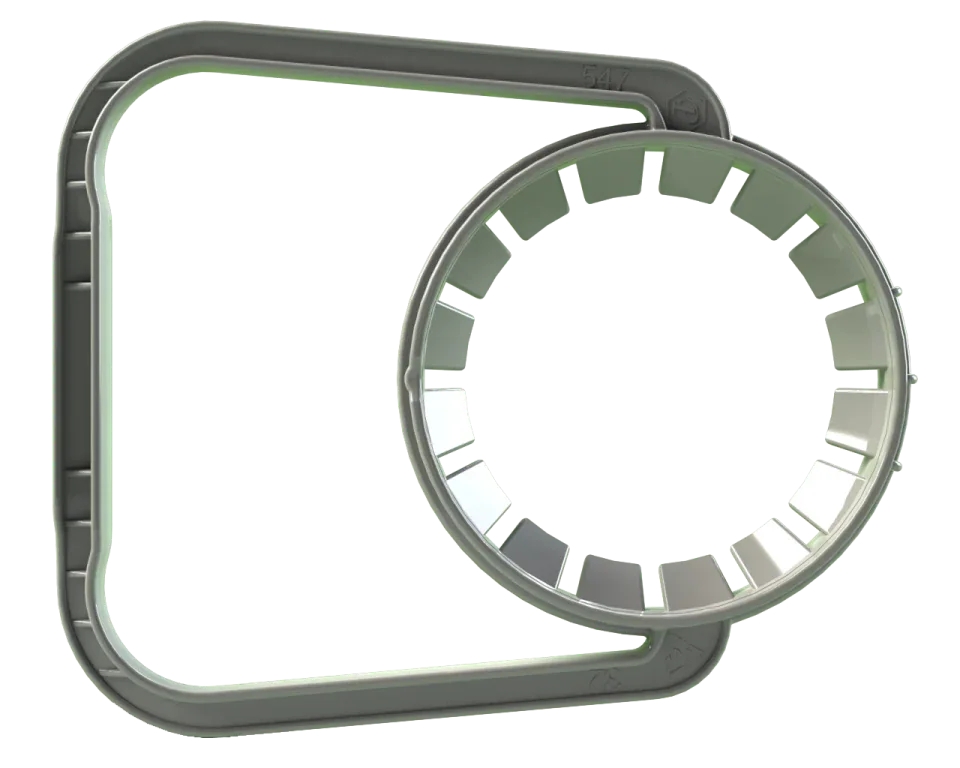
A successful hand fit does not establish line readiness
Peksan's product record describes 048.101HSP10N as a 48 mm PET bottle handle for automatic and manual fitting. This does not promise a particular machine speed, fitting force or line efficiency. Instead of requesting only a ‘48 mm handle’, identify the complete product code, bottle and intended fitting method.
This guide is a trial-preparation checklist, not a machine setting, a standard test method or an application approval issued by Peksan.
Identify the components that must fit together
Prepare the current drawing and revision of the bottle neck and handle seating area, together with physical bottle samples. The same nominal size alone does not establish matching geometry and tolerances. Agree where and how relevant dimensions will be assessed, and link measurement records to the drawing revision.
Identify the intended closure as well as the handle code and sample batch. Consider handle orientation, bottle support and access to the closure together during fitting. A photograph does not replace physical samples or a dimensioned drawing.
The current Peksan note for this product specifies 24 hours at ambient conditions before use. Confirm the current instruction when preparing the trial and record the sample identity, start and end of conditioning, and actual conditions. Do not generalise this period to other products or every ambient temperature. The pre-use conditioning record guide in the sources helps keep these details traceable.
Turn line information into an observable trial plan
Explain how handles will be fed and oriented, how bottles will be supported, and whether fitting will take place before or after filling and closing. Record the machine identity and any tooling changes proposed. Do not infer force, speed or tooling geometry from this article; determine them with the responsible technical team and equipment supplier.
Before the trial, agree how correct seating will be recognised, how incomplete or tilted fits will be recorded, and when a part must be removed from use. Keep sample count, conditions, observed stoppages and results on the same form. An empty field must not be marked ‘acceptable’.
Separate fitting results from carrying suitability
A seated handle alone does not demonstrate that a filled package is suitable for carrying. Define the actual filled mass and intended use for a separate assessment. Do not turn a volume in litres into a kilogram limit or infer carrying capacity from the product code.
Attach a concise package to a sample or quotation request: code 048.101HSP10N; bottle drawing and revision; bottle and closure samples; intended fitting sequence; machine and tooling information; and acceptance criteria to be agreed. The product page below provides the current technical data sheet and quotation route. If the bottle, handle or fitting conditions change, check whether the earlier trial covers the new combination.