
Cap samples look different under another light: what should you compare?
Keep colour approval tied to physical samples and agreed viewing conditions when buyer and supplier disagree about a plastic bottle cap.
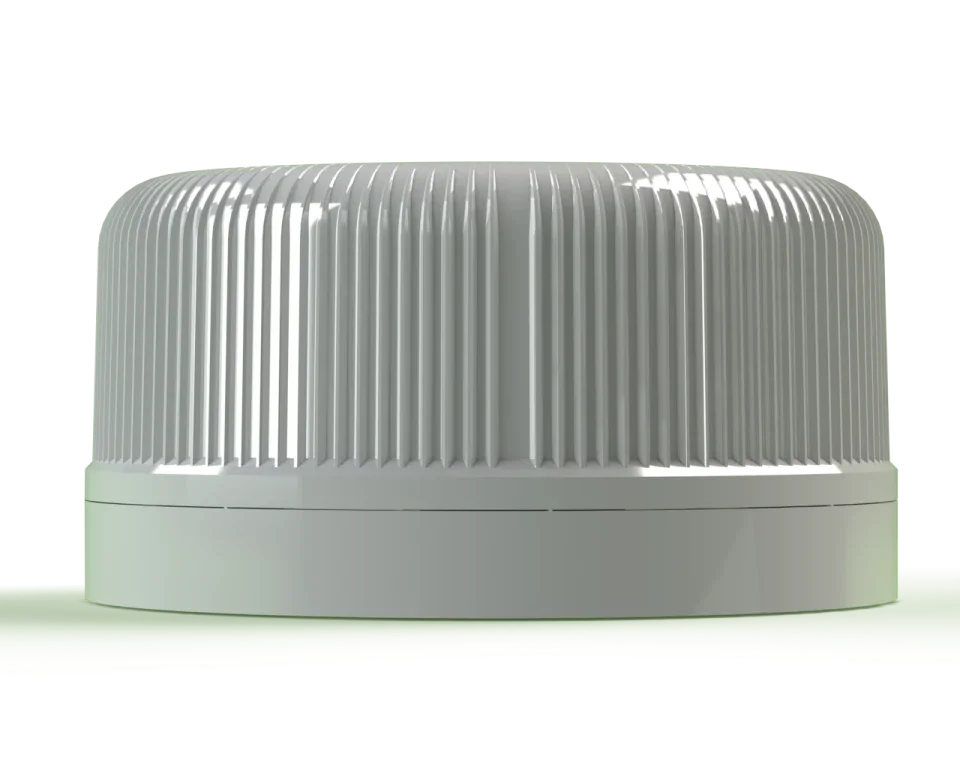
Start with the same physical reference
A cap accepted at the supplier's site may look different when it reaches the buyer. Before requesting a new colour, compare the retained approved sample with the delivered sample. Two samples can match under one light yet differ under another; this alone does not establish that the formulation changed.
Identify both samples by product code, colour reference, batch and approval date. Make sure both parties are discussing the same component and surface. A phone photograph can document which sample was examined, but it should not become the colour standard.
Record the viewing conditions
Place the reference and the delivered cap together. Agree the lighting, background, orientation and viewing position, then record the comparison. Repeat under a second agreed light relevant to the intended presentation of the package. Avoid an instruction as vague as 'check it in daylight'.
ASTM D1729-22 concerns visual appraisal of opaque materials; D4086-18(2023) concerns visual evaluation of metamerism. These references do not certify a Peksan product or establish that Peksan performed a test. Transparent, translucent or special-effect samples need an appropriate agreed assessment.
Use the exact product and document revision
For example, Peksan's 028.016CTP10B is a 28 mm closure for PCO 1881 PET bottles. Its technical sheet, revision 01 dated 24 March 2026, identifies HDPE and a PE-based colour masterbatch. A colour name or an image on the product page does not define an exact shade or a numerical tolerance. Confirm the requested reference and current supply details in the enquiry.
Agree a decision instead of inventing a universal limit
If instrument readings are needed, agree how the samples will be measured and which acceptance criterion applies before comparing results. A colour-difference number without its measurement conditions is incomplete. This article does not prescribe a universal ΔE limit or replace a complete test method.
Record whether the pair is accepted, needs further comparison or needs supplier investigation. Do not infer a material substitution or release a disputed batch solely from a screen image. Colour acceptance remains separate from closure fit, sealing and suitability for the filled product.
Send one useful comparison package
For a sample or quotation enquiry, send the full product code, both identified samples or an agreed reference, the intended bottle and use, the lighting observations and the decision required. Attach the current technical sheet and the approval record. Follow that product's preparation instructions separately; colour comparison is not an application test. The linked sample-approval guide helps connect the resulting decision to the order.
Sources and related technical records
- Peksan · 028.016CTP10B
- Peksan · 028.016CTP10B · Rev01 · 24.03.2026
- ASTM · D1729-22
- ASTM · D4086-18(2023)
- CIE · e-ILV
- Cap sample approved: which records should be completed before a production order?