
How should drum and water-container closures be selected?
Container volume is not a closure size
Drums and large water containers include different capacities and opening designs. Two containers with the same volume may need different caps. Assess container material, connection geometry, use and filling conditions together. The description water-container cap does not independently establish pressure resistance, reusability or dispenser compatibility.
PET and PC may describe the container material in this context. The cap should not be assumed to use the same polymer. Check its own technical sheet. Requesting a cap for a PC container does not establish that every PC container shares one neck design.
Attachment and opening arrangements
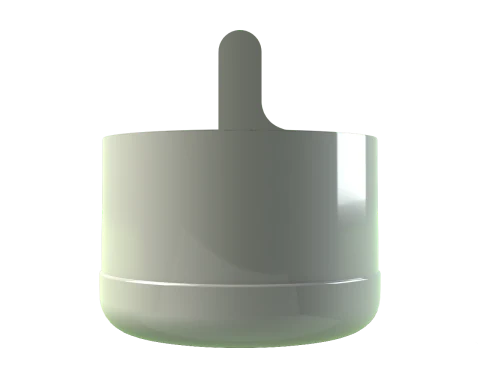
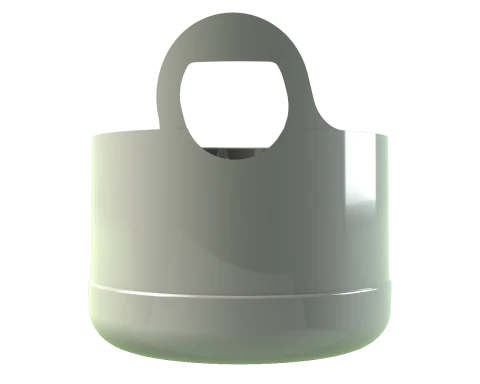
Screw or snap-on attachment must match the relevant opening drawing. Peksan lists 055.057CSP10B as a 55 mm snap-on plastic water-container closure and 055.057CSP20B with a pull-ring description. These records identify model-specific opening arrangements, rather than promise compatibility with every container or water dispenser.
If the application requires a piercing, valve or dispensing feature, verify it in documentation for the selected model. It cannot generally be assumed that a cap contains a filter, purifies water or can be refitted after use. Follow the packaging’s own opening and storage instructions.
Sealing and reuse
First-opening evidence, reclosure and sealing are separate functions. A torn or damaged component should not be assumed to retain its original performance. A reusable container does not automatically make its closure reusable. Verify that point for the particular product and application.
Evaluate samples with the actual contents and container. Define conditions for application, transport, storage and opening trials. For larger packs, filled weight and handling arrangements can influence behaviour around the closure. Use samples rather than general assumptions to assess the result.
Prepare the technical enquiry
Provide the neck drawing, container material, filled weight, closure code and intended use arrangement. State filling temperatures or special chemical applications explicitly. A design used on water packaging is not automatically appropriate for other contents. Base quotation and sample approval on the complete product code.
If you are looking for the container itself
Terms such as jerrycan, industrial drum or metal container may describe different packaging bodies. A capacity such as 60 litres does not establish neck geometry or a safe carrying load. Confirm container availability and specifications with the relevant packaging manufacturer. This guide considers Peksan products as closure and handle components; it does not commit to manufacturing or supplying a particular drum.
Related products
Related guides
Glass bottle caps and stoppers: selection and design
How do you select flip-top and snap-on closures?
How are plastic closure design and production planned?
How should closure prices and production costs be assessed?
How should closure materials, quality and recycling be assessed?
How should bottle, water-container and jar handles be assessed?
What is a protective cover for a food can, and how is it selected?
How are plastic bottle production and closure fit assessed?
Empty bottle and container prices: requesting a 1 or 5 litre quotation
Plastic bottle types: assessing PET, PE and PS
Cosmetic closures: disc-top, roll-on and powder formats
Are foil seals, tamper evidence and child resistance the same?