
What is a protective cover for a food can, and how is it selected?
A protective cover is a separate component
A protective can cover may be an additional lid placed over a metal package. Its function depends on the design and the packaging supplier’s instructions. It should not be assumed to replace the can’s primary factory-applied closing system. Adding a cover does not make spoiled contents safe or restore an opened product’s original shelf life.
Follow the product label’s storage instructions after opening. Not every plastic overcap is airtight, suitable for repeated sterilisation or appropriate for hot processing. Its technical description should define its role; appearance cannot establish these properties.
Do not confuse older and current size descriptions
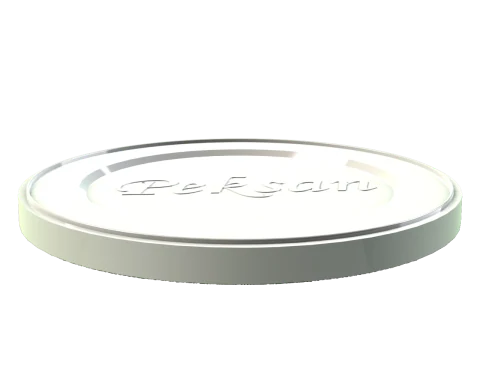
An older Peksan article used the description 100 mm tin cover and code 1100. The current catalogue identifies 099.008CSM10N as a 99 mm snap-on protective cover for metal packaging or food cans. No technical change record examined here proves that these descriptions identify an interchangeable product. A visitor using the older 100 mm description should therefore not be promised that the current 99 mm cover will fit.
This guide preserves information about the topic rather than declaring a product substitution. Match the actual can sample and opening drawing. The possibility that nominal descriptions were rounded differently is not sufficient evidence of compatibility.
What should be checked?
Assess the can rim, cover seating surfaces, application and removal behaviour, material and expected use conditions together. Forcing a cover onto a damaged or sharp rim does not demonstrate suitability. Printing or embossing requests are separate design questions from mechanical fit.
Test samples on the actual can. Define the required behaviour during handling, storage and consumer access according to the application. General claims of absolute hygiene or protection from pests and every external influence cannot replace technical assessment.
Prepare a supply enquiry
Provide the can manufacturer’s drawing, an existing sample, product code and intended role of the cover. Confirm packing, colour and decoration conditions separately. Current technical information and appropriate sample trials provide a better basis for selection than relying solely on a dimension in an older article.
Related products
Related guides
Glass bottle caps and stoppers: selection and design
How do you select flip-top and snap-on closures?
How are plastic closure design and production planned?
How should closure prices and production costs be assessed?
How should closure materials, quality and recycling be assessed?
How should drum and water-container closures be selected?
How should bottle, water-container and jar handles be assessed?
How are plastic bottle production and closure fit assessed?
Empty bottle and container prices: requesting a 1 or 5 litre quotation
Plastic bottle types: assessing PET, PE and PS
Cosmetic closures: disc-top, roll-on and powder formats
Are foil seals, tamper evidence and child resistance the same?