
Glass bottle caps and stoppers: selection and design
A glass bottle does not imply a glass cap
A glass bottle cap is a closure being considered for a glass bottle. The term does not establish that the cap itself is made of glass. Plastic closures, metal closures and stoppers can serve different neck designs. Read the bottle material, closure material and sealing arrangement separately. Appearance alone cannot establish suitability for food, pressure or a particular chemical.
Screw caps and stoppers
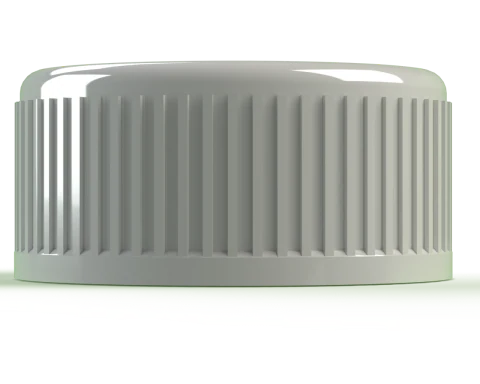
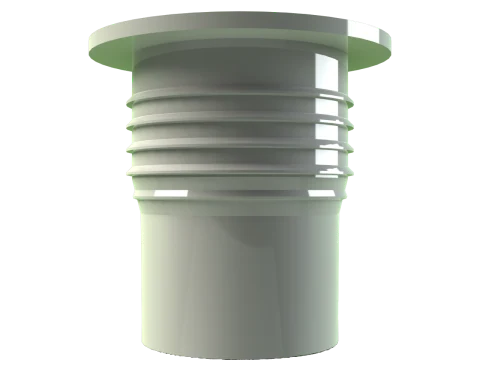
A screw cap works with matching bottle and closure threads. A stopper instead relies on its particular seating and contact geometry. Peksan identifies 031.016CTG10E as a screw closure for glass bottles with an EPE foam liner, while 019.026CSG10B is a snap-on glass bottle stopper. These examples illustrate different attachment families; they are not interchangeable product recommendations.
An apparently equal diameter is insufficient. Relevant internal and external neck dimensions, thread profile or stopper seating surfaces, tolerances and application method require assessment. Approval of an earlier sample does not validate a damaged bottle or a different drawing revision.
Design starts with use requirements
How the product is filled, opened, poured and reclosed provides the design inputs. Where a separate sealing component is used, assess its contact conditions with the actual product. A tamper-evident band, sealing system and child-resistant mechanism are different features. None establishes the performance of the others. Colour and decoration should complement technical assessment.
From samples to an order
Sample trials should assess application, opening, sealing and filling-line compatibility. Define acceptance criteria for relevant filling temperatures, storage periods and transport conditions. One successful hand-closing trial does not guarantee the performance of an entire production batch. Check that the bottle supplier and closure supplier are working from consistent drawing and revision information.
Include the bottle neck drawing, filled product, conditions of use and closure code in an enquiry. Selecting a plastic closure for a glass bottle is separate from sourcing the glass bottle itself. Discuss feasibility, samples and delivery arrangements separately where a new design or mould is required.
Related products
Related guides
How do you select flip-top and snap-on closures?
How are plastic closure design and production planned?
How should closure prices and production costs be assessed?
How should closure materials, quality and recycling be assessed?
How should drum and water-container closures be selected?
How should bottle, water-container and jar handles be assessed?
What is a protective cover for a food can, and how is it selected?
How are plastic bottle production and closure fit assessed?
Empty bottle and container prices: requesting a 1 or 5 litre quotation
Plastic bottle types: assessing PET, PE and PS
Cosmetic closures: disc-top, roll-on and powder formats
Are foil seals, tamper evidence and child resistance the same?