
Plastic cap visual defect catalogue: how can buyers agree acceptance criteria?
Turn “looks acceptable” into a shared decision: define the inspection area, illustrated limit samples and decision record before choosing a sample size.
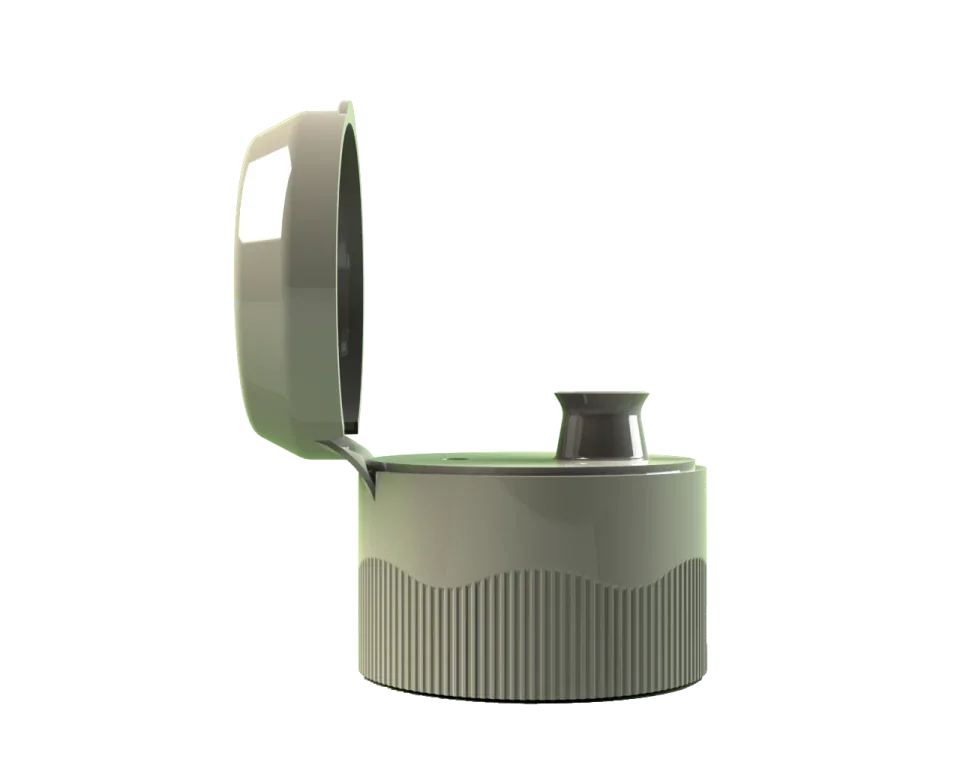
Define the feature to be inspected
Buyer and supplier should document visual acceptance criteria before inspecting caps. Identify the cap code, variant, drawing and technical-sheet revision. Name areas separately, such as the outer surface, thread, sealing region and any hinge. Flash, incomplete moulding or visible foreign matter are examples for discussion, not reported defects in a particular Peksan product.
Link photographs to limit samples
Give each observation an identifier, location, description and close-up with a scale, plus a view of the complete part. Agree lighting, viewing direction, distance and any magnification. Link acceptable and unacceptable limit samples to physical references. A photograph alone does not establish depth, sharpness or actual dimensions; specify a suitable measurement method when these matter.
Separate appearance from function
The significance of a mark can depend on its location and intended use. If critical, major or minor classes are used, agree their definitions and decision authority; do not automatically put every instance of flash in one class. Do not accept a possible functional or safety concern merely because it looks small. Visual inspection does not replace leak, opening-force, material-cleanliness or regulatory-compliance assessments.
Agree sampling separately
NIST distinguishes lot acceptance decisions from estimating lot quality. ISO 2859-1:2026 addresses acceptance sampling by attributes. Neither reference supplies a ready-made defect limit for this cap. The quality team must define the applicable plan and edition, lot, random selection, sample size and acceptance/rejection rule. This article specifies no universal AQL or sample count. Agree in advance how multiple findings on one cap will be counted.
Send a record that supports a decision
Record the defect-catalogue revision, product and lot identity, quantity inspected, finding counts, criterion used, decision owner and date. Keep uncertain parts separate; do not select fresh samples without a defined rule to change an unfavourable result. The example product, Peksan 028.026CTP10B, is listed as a 28 mm HDPE flip-top cap. Its product page and technical sheet below identify the item; they are not a visual-defect acceptance agreement. Approve limit samples with the supplier for your intended use.
Sources and related documents
- NIST · Acceptance Sampling
- ISO 2859-1:2026
- Peksan · 028.026CTP10B · PDF
- Related Peksan product · 028.026CTP10B