
Tamper-evident cap trials: what should buyers record at first opening?
A cap with an intact band still needs an agreed trial on the intended bottle. Record its condition before capping, after capping and at first opening so supplier and buyer can discuss the same evidence.
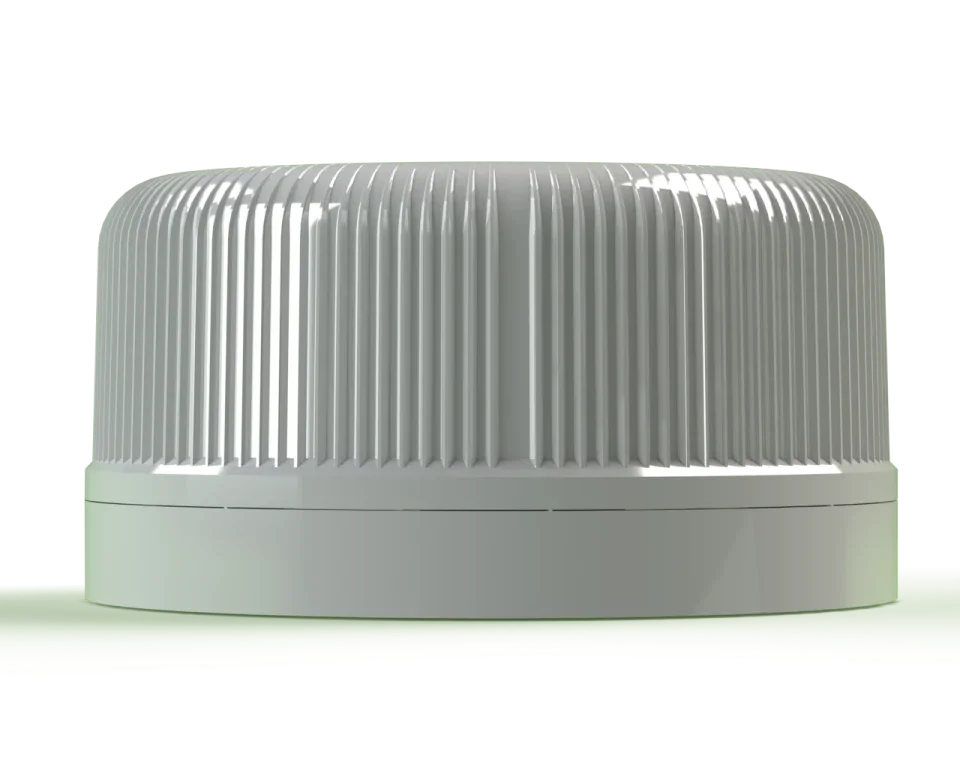
Agree the expected opening behaviour
Identify the cap, bottle neck drawing and revisions before testing. Ask the supplier which connections should break and where the band should remain after opening; do not assume every band design behaves alike. Cetie distinguishes several tamper-evident designs. This article proposes a trial record, not a standard test procedure or a universal acceptance limit.
Keep three observation stages separate
Assign each sample an identifier. Photograph the unused cap and its band, then the closed bottle before anyone opens it. Record bottle and cap batches, capping equipment/settings and the time between capping and opening. Follow the applicable product-sheet preparation instructions. Damage already present before opening should not be recorded as a successful first-opening indication.
Observe the first opening without hiding the sequence
Use the opening method agreed with the supplier. Record the visible state of the bridges and band before, during and after opening, and retain the bottle and cap together. A short video and close-up photographs can help explain a disputed sequence. If torque, angle or force is required, agree the method, equipment, units and acceptance criteria separately; a photograph cannot measure them.
Do not turn one observation into several approvals
Record an uncertain result as uncertain and keep the sample for review. A visible change in the band is not by itself evidence of leak tightness, safe pressure release, child resistance or regulatory compliance. These require their own applicable assessments. Agree the sample-selection and decision rules before the trial; this record specifies no universal sample count or pass threshold.
Send a decision-ready sample record
Include sample IDs, before/after images, the expected behaviour, observations, deviations and the person deciding the outcome. Peksan 028.016CTP10B is a 28 mm HDPE screw-on PET bottle closure with a tamper-evident band. Its linked product sheet identifies the item and preparation conditions; it does not approve your bottle combination. Send the intended neck drawing and trial record when requesting an assessment.
Sources and related documents
- Cetie · Plastic closure glossary
- Cetie / ISBT · Closure qualification methods: scope
- Peksan · 028.016CTP10B · PDF
- Related Peksan product · 028.016CTP10B